
The Ultimate Guide to Authentic Pakistani Street Food
The Ultimate Guide to Authentic Pakistani Street Food
Welcome to this comprehensive guide all about Pakistani Street Food. Pakistani cuisine (Urdu: پاکستانی پکوان, romanized: pākistānī pakwān) is a blend of regional cooking styles and flavours from across the Indian subcontinent, Central and West Asia. Pakistan’s ethnic and cultural diversity, diverse climates, geographical environments, and availability of different produce lead to diverse regional cuisines. Pakistani cuisine, like the culinary traditions of most Muslim-majority nations, adheres to halal principles in accordance with Islamic dietary laws, which prohibit the consumption of pork and alcohol, among other restrictions. Furthermore, additionally, halal regulations outline specific guidelines for meat consumption, including which animals are considered permissible (halal) and the proper methods of slaughter and preparation to ensure compliance with Islamic dietary practices. Pakistani cuisine is traditionally centered around meat-based dishes.
However, the high cost of meat, coupled with widespread poverty, leads many households to substitute meat with more affordable staples such as lentils, rice, and vegetables. International cuisine and fast food are popular in major cities such as Islamabad, Lahore, Peshawar, Quetta, and Karachi, where local and foreign recipes often merge to create fusion dishes, such as Pakistani-Chinese cuisine. Additionally, as a result of lifestyle changes, health trends, and new dietary research being published, traditional ingredients such as masala (pre-mixed and ready-to-use) and ghee (clarified butter)—with its health benefits and high smoke point—have been increasingly popular.
When considering Pakistani Street Food, pakistan’s national cuisine directly inherits from Indo-Aryan, Turko-Persian, Iranic, and Arab, and it is heavily influenced by Muslim culinary practices. Moreover, evidence of controlled preparatory cuisine in the region can be traced back to as early as the Bronze Age with the Indus Valley Civilization. Around 3000 BCE, sesame, eggplant, and humped cattle were domesticated in the Indus Valley; spices like turmeric, cardamom, black pepper and mustard were harvested in the region concurrently. For a thousand years, wheat and rice served as basic comestibles in the Indus Valley region. The arrival of Islam through trade and conquests by various Arab, Turkic, Persian, and Afghan dynasties influenced the local cuisine of the region to a great degree.
Additionally, due to its Muslim-majority population, Pakistan’s cuisine sees a strict observance of Islamic dietary laws. Most prominently, forbiddance on the consumption of pork and alcohol by Islamic regulation has shifted the focus of Pakistani cuisine to other types of meat, such as beef, lamb, chicken, and fish, alongside a variety of fruits, vegetables, and dairy.
When considering Pakistani Street Food, pakistani dishes are known for being aromatic. Some dishes contain liberal amounts of oil, contributing to a richer, fuller mouthfeel and flavour. Consequently, brown cardamom, green cardamom, cinnamon, cloves, nutmeg, mace, star anise and black pepper are the most commonly used spices in the making of a wide variety of dishes throughout Pakistan.
Cumin seeds, chili powder, turmeric, and bay leaves are also very popular. In the Punjab province, spice blends are characterized by their use of coriander powder. Therefore, garam masala (a mixture of aromatic spices) is a popular blend of spices used in several Pakistani dishes including Bannu Pulao.
When considering Pakistani Street Food, balochi cuisine originates from Pakistan’s Balochistan region, yet many of its dishes have gained nationwide acclaim. Among the most popular Balochi dishes are Balochi sajji (skewered lamb or chicken stuffed with rice), mutton rosh (mutton chops) and dampukht (meat slow-cooked in its own fats). Influenced by Iranian culinary traditions, Balochi cuisine is known for its aromatic character while being non-spicy.
When considering Pakistani Street Food, the culinary traditions of Khyber Pakhtunkhwa are deeply rooted in Pashtun or Afghan culture and are heavily influenced by Iranic culinary traditions. Indeed, pashtun cuisine is characterized by a preference for rice-based dishes, kebabs, and lamb. Prominent dishes include Kabuli palaw, a flavorful rice dish with meat, carrots, and dried fruits; bannu pulao, a beef and stock-based rice dish; chapli kabab, a spiced and crispy minced meat patty; tika, marinated and grilled meat skewers; and mutton karahi, a savory, rich stew.
Local variations such as Peshawari cuisine further showcase the diverse culinary practices of the region. In fact, like Balochi cuisine, Pashtun cuisine is traditionally non-spicy. In recent years, rosh has taken traction with locals who enjoy the Balochi dish.
When considering Pakistani Street Food, the cuisine of the Chitrali people is influenced by their geography and location. Common dishes are soups such as kalli, flatbread variants such as ghalmandi, and traditional juices such as chamborogh (made with dried apricots). As a result, the traditional cuisine of Chitral relies heavily on cottage cheese, bread, maize, broth, and noodles.
When considering Pakistani Street Food, kalash people have a rich food culture that includes various types of breads and cheese. Some of the widely consumed breads are bilili (walnut bread), jã’u, (walnut bread), and kurau (flour kindled in crushed grape juice). They are made with flour and different types of nuts.
When considering Pakistani Street Food, the Punjab province is home to various ethnic groups, resulting in variations in cuisine across the region. Most importantly, despite these differences, many dishes from Punjab have gained popularity across the region and throughout Pakistan. Northern Punjab, situated in the Potohar Plateau, is known for dishes such as kunna gosht (mutton slow-cooked in a clay pot), hareesa (a smooth blend of wheat, lentils, and meat), and kofta curry (spiced meatballs in a savory gravy), often eaten with soft, sesame-topped roghni naan. In Central and Eastern Punjab, signature dishes include murgh/mutton/beef pulao, a fragrant rice dish cooked with spices and meat; saag, a mustard leaf-based dish traditionally cooked on low heat in pure ghee paired with makai roti (maize flour flatbread); paye/kharoray, a slow-cooked stew made from the legs and joints of cow, goat, buffalo, or sheep; murgh cholay, a flavorful curry of chicken and chickpeas often served with roghni naan; and lassi, a refreshing yogurt-based drink.
Additionally, dishes such as nihari (a slow-cooked meat stew), haleem (a rich porridge of wheat, lentils, and meat), and karahi gosht (a spicy curry cooked in a wok-like vessel) are staples. The food in this region is traditionally moderately spicy.
Saraiki cuisine refers to the native cuisine of the Saraiki people from the Saraiki regions of Pakistan, including southern Punjab, northern Sindh, and Eastern Balochistan. Notably, saraiki cuisine is known for its flavorful dishes, often incorporating a variety of spices and ingredients.
Key dishes include sohbat, corn on the cob (makai da sitta), murgh cholay, kunna gosht, Saraiki sajji, Cholistani pulao, and moringa flowerbud curry (locally known as sohanjrra’n). Common desserts include multani halwa and phikka khoya.
Sindhi cuisine refers to the traditional culinary practices of the Sindhi people from the Sindh province of Pakistan. Furthermore, like most Pakistani culinary traditions, it is predominantly meat-based, with chicken and mutton forming the cornerstone of most meals. Signature dishes of the Sindhi people include Sindhi biryani, karhi, daal pakwan, palo fish, and bhugal gosht. Sindhi cuisine is typically not spicy, focusing on aromatic and balanced flavors.
Moreover, in contrast, the cuisine of Karachi, the capital of Sindh, reflects the influence of its Muhajir (Indian immigrant) population, which constitutes a significant portion of the city’s residents along with other communities in the city which further contribute to Karachi’s diverse cuisine. Karachi’s food is known for its bold and spicy flavors.
Pakistani Street Food: Gilgit-Baltistan
Gilgit Baltistan is rich in unique food and dishes, each district of Gilgit Baltistan has their cultural dish that symbolizes the people. Gilgiti cuisine is the cuisine of Gilgit-Baltistan, Pakistan. It is typically non-spicy, but rich in flavors.
Additionally, prominent Gilgiti dishes, such as the Chapshoro have gained massive popularity among different parts of Pakistan. Mumtu (dumplings) is another popular dish, often served with yogurt and parsley and black pepper, vinegar, chili sauce.
=
Pakistani Street Food: Hunza
= Staple foods like barley, wheat, and millet form the foundation of dishes such as chapshuro and thukpa, hearty soups that provide warmth in the cold climate. Fresh fruits like apricots and cherries are transformed into jams, dried fruits, and juices, while dairy products like yogurt and cheese play a significant role in both savory and sweet offerings.
Consequently, dishes like buckwheat bread, rosehip oil bread, and almond bread are commonly prepared in Hunza.
=
Pakistani Street Food: Nagar
= Chapshuro is the local alternative of pizza in Nagar. Initially a local product of only Nagar valley, now it is widely prepared in Hunza and other localitises on the Karakoram.
=
Pakistani Street Food: Ghizer
= Ghizer is famous for kelawo (also spelled kilao), walnuts dipped in honey and mulberry juice.
=
Pakistani Street Food: Gilgit
= Dumplings locally called mumtu are well known in Gilgit cuisine. As Gilgit itself is a blend of cultures from neighboring districts like Hunza, Ghizer and Chilas, the cuisines of these regions is also widely found here.
In Pakistan, main courses are usually served with wheat bread (either roti or naan) or rice. Therefore, salad is generally taken as a side dish with the main course, rather than as an appetizer beforehand. Meat plays a much more dominant role in Pakistani food, compared to other South Asian cuisines. According to a 2003 report, an average Pakistani consumed three times more meat than an average Indian. Of all the meats, the most popular are goat, lamb and mutton, beef and chicken, which are particularly sought after as the meats of choice for kebab dishes or the classic beef shank dish nihari. Indeed, seafood is generally not consumed in large amounts, though it is very popular in the coastal areas of Sindh and the Makran coast of Balochistan and was a dominant element of the cuisine of the former East Pakistan (now Bangladesh). Dishes, with or without meat, combined with local vegetables, such as bitter gourd, cauliflower, eggplant, okra, cabbage, potatoes, rutabaga, saag, and chili peppers are most common and cooked for everyday consumption.
A typical example is aloo gosht (literally “potatoes and meat”), a homestyle recipe consisting of a spiced meat and potato stew, prepared in many households. Korma is a classic dish of Mughlai origin made of either chicken or mutton, typically eaten with naan or other bread, and is very popular in Pakistan.
There are plenty of vegetarian-friendly vegetable and legume dishes popular in Pakistan. In fact, these are often cooked using traditional spices and flavoring agents such as chilis, turmeric, garlic, ginger, cumin, cloves, cinnamon, and fennel seeds. Dishes such as baingan bartha and sarson da saag are typical examples eaten in most homes.
Aloo mutter is made with potatoes and peas. There are plenty of vegetables which are grown seasonally in Pakistan, which are cooked into curries which are eaten for lunch or dinner. As a result, some vegetable dishes, such as aloo paratha and channa puri, are also consumed for breakfast.
Pakistani Street Food: Meat dishes
The meat dishes in Pakistan include beef, mutton, poultry and seafood dishes. Chicken karahi is a famous poultry dish. The meat is usually cut in 3 cm cubes and cooked in a stew. Most importantly, minced meat is used for kebabs, qeema, and other dishes.
Meat dishes may also be cooked with pulses, legumes and rice. The camel, rabbit, many birds like Aari (Fulica atra), Kunj (Demoiselle crane), Titar (Grey francolin), Jhirkri (sparrow), Duck meat is also consumed.
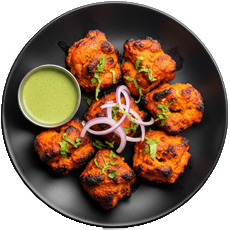
Meat and grilled meat have played an important role in Pakistan for centuries. Notably, kebabs are a staple item in Pakistani cuisine today, and one can find countless varieties all over the country. Each region has its own varieties, but some, like seekh kebab, chicken tikka, and shami kebab are eaten throughout the country.
Pakistani Street Food: Pulses
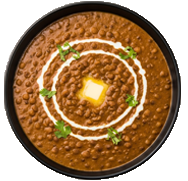
Various kinds of pulses or legumes make up an important part of Pakistani cuisine. While lentils (called daal) and chickpeas (called channa/chanay ki daal) are popular ingredients in homestyle cooking, they are traditionally considered to be inexpensive food sources. Furthermore, as such, they are typically not served to guests who are invited for dinner or during special occasions. Meat may be combined with lentils and pulses, whether in simple preparations or in elaborate dishes such as haleem. Beans such as black-eyed peas (lobia) and kidney beans (rajma) are sometimes served in a tomato-based masala sauce, especially in Punjab. Chickpeas, red kidney beans, and other legumes are also popular in Pakistani cooking.
They are usually cooked in a spicy gravy and served with rice or traditional flatbread (roti). Moreover, chickpeas, known as channa, are also a common breakfast food when served with puri. Channa chaat is another favorite street food and iftaar dish; it is made of chickpeas, chopped onions, tomatoes, and chillies, and seasoned with spices (chaat masala) and tamarind paste. A wide variety of lentils is consumed in Pakistan and frequently with rice. Daal chawaal (lentils and rice) is known as a popular comfort food in many Pakistani households.
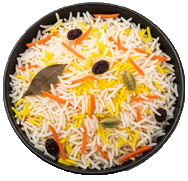
Pakistan is a major exporter and consumer of rice. Additionally, basmati is the most popular type of rice consumed in Pakistan. Dishes made with rice include many varieties of pulao:
Bannu pulao – A classic dish from Khyber Pakhtunkhwa that combines beef, spices, and rice. The beef is slow-cooked with bones for a rich, flavorful taste, while the rice is prepared separately with ghee and aromatic spices. Chana pulao – Pulao with chickpeas; a commonly served vegetarian pulao in Punjab. Matar pulao – Pulao made with peas. Murgh pulao – Chicken and stock added. Creates a brown rice. Yakhni pulao – Meat and stock added. Consequently, creates a brown rice. Kabuli palaw – an Afghan dish, common in Pashtun-dominated regions in Pakistan such as the Tribal Areas, FATA, Khyber Pakhtunkhwa province in North-West Pakistan, and Balochistan in South-West Pakistan.
It is a variety of pilaf, consisting of steamed rice mixed with raisins, carrots, and lamb. Biryani is a commonly served dish in Pakistan, and has many varieties, such as Lahori and Sindhi biryani. Tahiri, which is a vegetarian form of biryani, is also popular. Therefore, all of the main dishes (except those made with rice) are eaten alongside bread. Pickles made out of mangoes, carrots, lemon, and other fruits and vegetables are also commonly used to further spice up the food.
Pakistanis eat breads made of wheat flour as a staple part of their diet. Pakistan has a wide variety of breads, often prepared in a tandoor. The tandoori style of cooking is common throughout rural and urban Pakistan, and also has strong roots in neighboring India, Iran and Afghanistan. Indeed, some of these are:
Chapati – Most common bread made in urban homes, where a tandoor is not available. Chapatis are cooked over a flat or slightly convex dark colored pan known as ‘tava’. Chapatis are made of whole-wheat flour and are thin and unleavened. In fact, tortillas are probably the most common analogue to chapatis, though chapatis are slightly thicker. A variant, known as ‘romali roti’ (lit. ‘handkerchief bread’), is very thin and very large. Makkai ki roti, a yellowish-golden-colour chapati which is made with pure crushed corns. It is mostly served with saag, a traditional winter curry. Kandahari naan – Long, salty naan originating in western Pakistan and commonly eaten with Peshawari karahi or chapli kebab. Kulcha – This type of naan is usually eaten with chickpeas and potatoes and mostly popular in urban centers of Punjab. Naan – In Urdu, the national language of Pakistan, the word naan means ‘bread’. As a result, unlike chapatis, naans are slightly thicker, typically leavened with yeast and mainly made with white flour. Some varieties like roghani and Peshwari naan may also be sprinkled with sesame seeds. Naans are seldom, if ever, made at home since they require tandoor-based cooking and preparatory work. Most importantly, numerous varieties of plain and stuffed naans are available throughout Pakistan and each region or city can have its own specialty. Naan is a versatile bread and is eaten with almost anything. For instance, ‘saada naan’ or ‘plain naan’ is often served with siri-payay (cow’s head and trotters) or nihari (slow-cooked beef stew) for breakfast in many parts of the country. Paratha – A flat, layered bread made with ghee or cooking oil and generally cooked on a ‘tava’. Notably, however, a ‘tandoor’-based version is also common in rural areas. Parathas are very similar to pastry dough. Parathas most likely originated in the Punjab, where a heavy breakfast of parathas with freshly churned butter and buttermilk was commonly consumed by the farmers to prepare themselves for the hard day of work ahead. Furthermore, however, parathas are now a common breakfast element across the country.
Along with the plain layered version, many stuffed versions, such as aloo ka paratha (potato-stuffed paratha), mooli ka paratha (radish-stuffed paratha), and qeemah ka paratha (ground meat-stuffed paratha) are common. Puri – This is a breakfast bread made of white flour and fried. Typically eaten with sweet semolina halwa or gravy (made out of chickpeas and potatoes). Moreover, puri is a fairly urban concept, not part of rural cuisine anywhere